
探索西檬之海:新人指南——Navigate Your Way Through the BDSM Spectrum
Welcome to Mab.aibdsm.cc, your trusted guide to understanding the diverse landscape of BDSM practices. Whether you're curious or taking your first steps into this world, our guides will help you explore safely and confidently.
In this series, we delve into the much-requested 字母圈 guide designed for newcomers. If you're new to roleplaying games or just starting out as a submissive or dominant player in BDSM contexts, particularly in letter circles, it's crucial to have a clear understanding of the roles and responsibilities involved.
What is BDSM and How Does It Work?
Discipline & Bondage & Sadism & Masochism, a.k.a BDSM, refers to some mutually reinforcing patterns of human sexual behavior. It originates from the Latin phrase Bon d e Graecis, which means 'Good for the Greeks, or something like that.' BDSM is a sexual orientation where a person finds stimulation through dominant/submissive dynamics and extreme forms of sexuality.
Key areas within BDSM include:
- Bondage & Discipline (B/D): Practitioners explore scenarios where everything is bound or disciplined, yet consensual. Think rope adventures, candle-lit ordeals, from ropes courses to correcting unruly pupils - it's all about exploring limits safely.
- DOM & SUB: DOM is short for Dominant, or the healthier, longer-term version that looks after the Sub's wellbeing, which is all about submission, control, and trust.
- SADISM & MASOCHISM (S/M): Sadism involves deriving pleasure from inflicting pain or humiliation, while masochism finds sexual release through receiving it.
- Power Exchange (PE): This is when a couple swap roles, such as one partner giving up responsibility for running their businesses, sometimes even their clothes and food bills, during a period of time. Earning back this freedom can be painful but also rewarding for both parties.
- Roleplaying (RP): Many people enjoy RP, but if done in the wrong context, it can be as detrimental as PUA, potentially harming the relationship.
No matter which BDSM lifestyle you choose to explore, it's vital to remember that health and safety aren't optional - standardized practices and safe words are essential.
Central Pillars of BDSM
While each practice falls under a broader category - from emotional scenes (stockings, rope, whips) to BDSM rituals (letters) - there are central building blocks to being part of a healthy BDSM community.
Consent Culture vs BDSM Practice
Consent culture is built on agreements that include ongoing discussions and mutual understanding of boundaries. BDSM practices are based on detailed instructions, negotiations, and respectful agreements for all parties.
Safe Words - Your Communication Lifeline
If you're new to the scene, learning about consent language is key. A safe word is agreed upon beforehand to signal an emergency or need for a pause. The word can be simple, such as red, yellow, or blue, but has a specific meaning.
BDSM within Usual Scene Roleplay Games
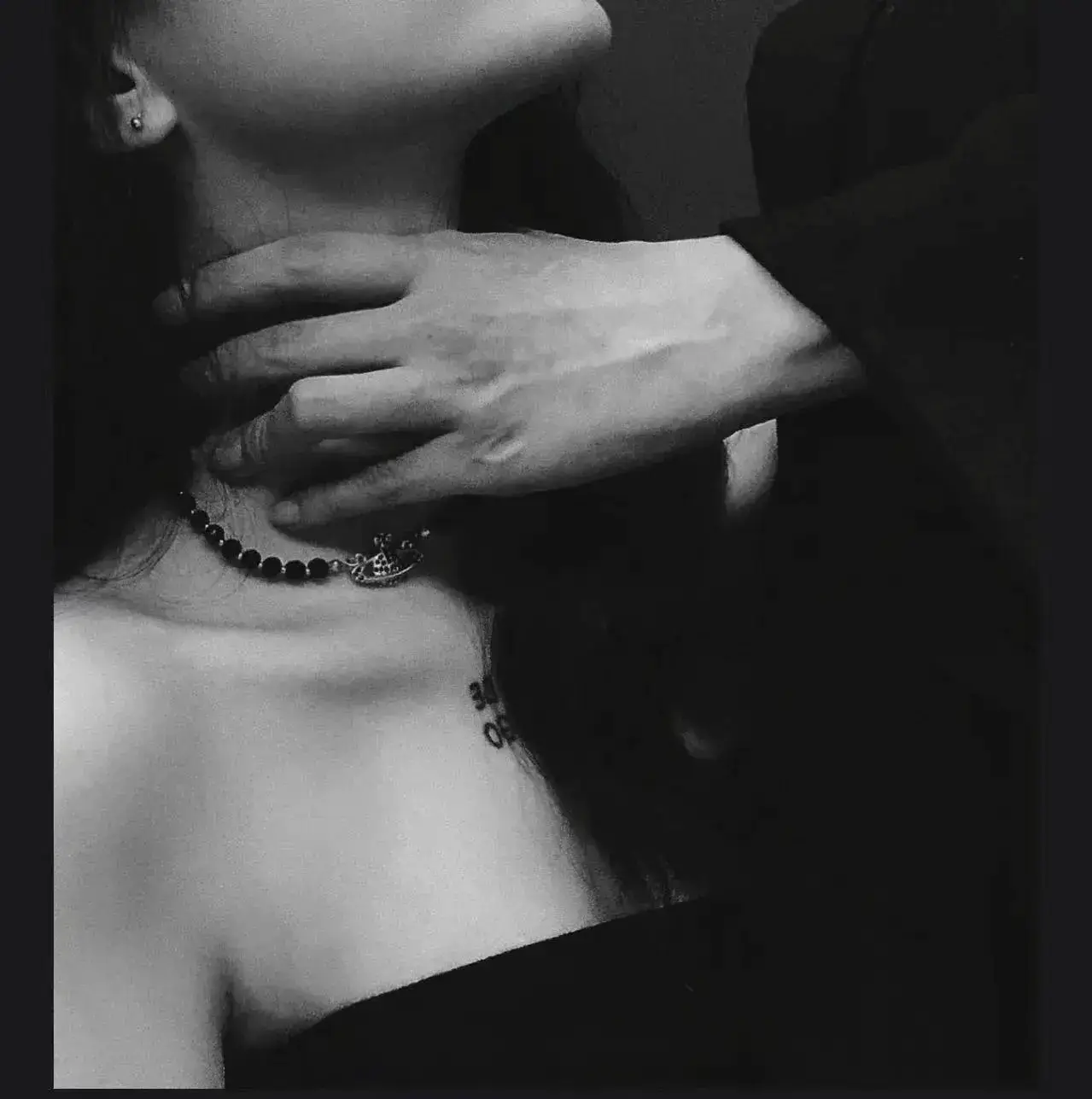
Within the community, a scene (often called RP, a play party, or a game) is an occasion when participants put on themed clothing and use props to bring out the character. A typical rap is structured and elaborate, with rules typically agreed upon by the entire community.
Navigating the BDSM Journey with Confidence
Whether you're exploring your desires or learning about different practices, the BDSM community includes everyone from hobbyists to professionals. Millenials with significant work histories but few friends understand the pressures young people face, while Baby Boomers remember rules more clearly.
Dominance and Submission
DOM and SUB: There are many roles available within BDSM. A Dominant or DOM is the partner who in control. Common roles include SUB (submission), dom/sub, S/m, B/D, PE, RP, letter circles, and points beyond.
A SUB is a submissive partner. In a relationship, a SUB might be the partner who is given commands and directions. A DOM is the partner who remains in control throughout the relationship.
The other common roles are S/m (sadist/masochist). A sadist finds pleasure in inflicting pain. A masochist enjoys receiving it. BDSM often includes groups or scenes in which partners do things together, either with a team or with a group.
Bondage involves restraining a partner - sometimes with rope, sometimes with silk if it's accessible, and sometimes with sturdy, non-guiding materials. Discipline often involves establishing rules and punishments agreed upon beforehand.
BDSM and Pelvic Floor Fitness
One of the less-discussed BDSM practices is its impact on pelvic floor fitness, which is essential for health and sexual function. There's some debate around the idea, but it's not seen as particularly useful outside a trust-based practice.
BDSM and PF fitness - or KE or Kegels - can help you maintain a healthy sex life and overall wellbeing. Some ways people incorporate PF exercises into their BDSM practices include:
- Maintain a healthy weight and BMI
- Manage your stress levels through meditation, yoga, or TA
- Manage your PC diameter
- Practice other pelvic exercises, including deep abdominal pressure and Kegels
- Try to reduce time spent running on a treadmill (no side effects)
In summary, to navigate the diverse BDSM landscape, remember that health and safety aren't optional - standardized practices and safe words are essential part of every healthy BDSM encounter.